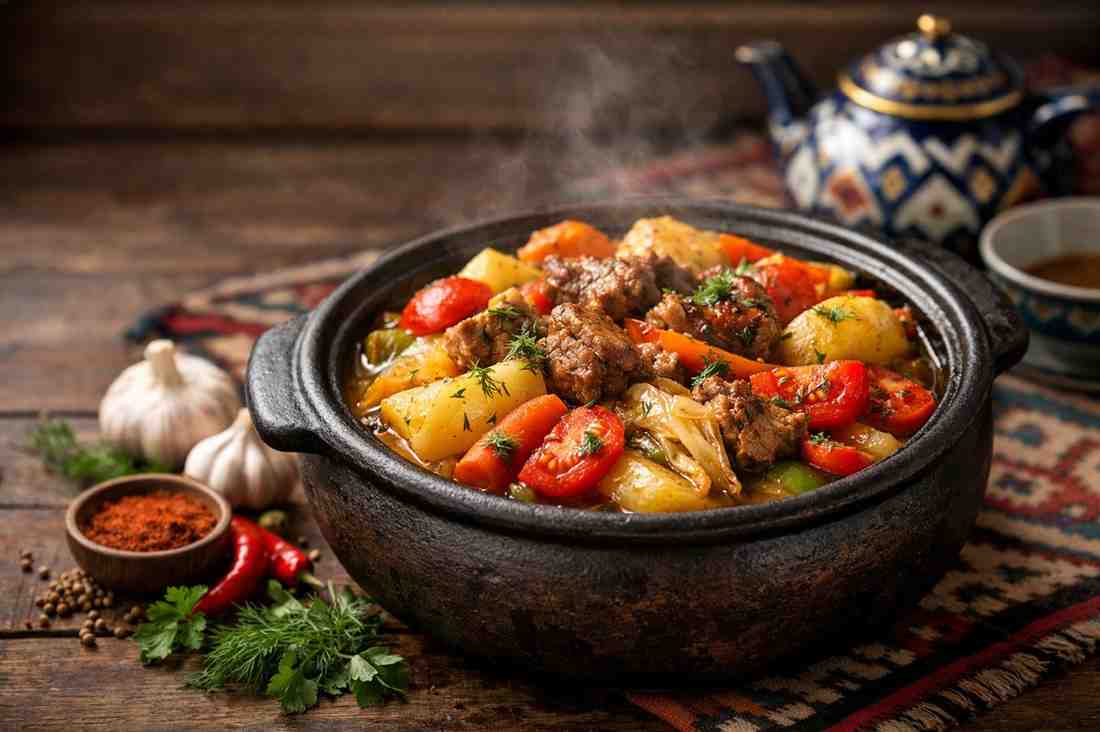
Among the many comforting dishes of Central Asia, Dimlama stands out as a wholesome, rustic meal that reflects the region’s love for slow-cooked food and fresh ingredients. Known for its rich aroma and tender meat, Dimlama is a traditional dish that combines meat, vegetables, and spices cooked slowly in a single pot.
Popular in countries like Uzbekistan, Kazakhstan, Kyrgyzstan, and Tajikistan, Dimlama is often enjoyed as a comforting family meal and is especially loved during colder seasons.
In this blog, we will explore the origins, ingredients, cooking method, cultural significance, and global appeal of Dimlama.
The Origins of Dimlama
Dimlama has its roots in the traditional cooking culture of Central Asia, a region known for its nomadic heritage and hearty cuisine. Historically, nomadic communities needed meals that were nutritious, filling, and easy to prepare with limited cooking equipment.
This is where Dimlama became popular. It is a one-pot dish that uses simple ingredients but produces incredibly rich flavors when cooked slowly over low heat.
The dish is particularly associated with Uzbekistan, where it is considered a classic home-style meal. Families often prepare Dimlama during gatherings, weekend meals, and festive occasions.
What Makes Dimlama Special?
Dimlama is loved not only for its flavor but also for its unique cooking style.
- One-Pot Cooking – Everything is cooked in a single pot or large cauldron, making preparation simple and efficient.
- Layered Ingredients – The ingredients are layered carefully rather than stirred, allowing flavors to blend naturally.
- Slow Cooking – The dish is cooked slowly over low heat, which helps the meat become tender and allows the vegetables to absorb the juices.
- Natural Flavors – Unlike many stews, Dimlama often relies more on the natural flavors of the ingredients rather than heavy spice blends.
Key Ingredients of Dimlama
Dimlama uses simple, fresh ingredients that create a deeply satisfying meal.
1. Meat
Traditionally, lamb or beef is used as the main protein.
2. Potatoes
Potatoes provide heartiness and absorb the flavorful broth.
3. Onions
Onions add sweetness and depth to the dish.
4. Cabbage
Large cabbage leaves are often layered on top, helping trap steam during cooking.
5. Carrots
Carrots add natural sweetness and color.
6. Tomatoes
Fresh tomatoes contribute acidity and moisture.
7. Aromatic Herbs
Herbs like parsley and dill are commonly used for freshness.
Traditional Cooking Method
Cooking Dimlama is a slow and patient process, but the results are worth the wait.
Step 1: Preparing the Pot
A large heavy pot or cauldron is used. Traditionally, Central Asian cooks use a Kazan, a thick metal cooking pot designed for slow cooking.
Step 2: Layering the Ingredients
The ingredients are layered in the pot in a specific order:
- Meat
- Onions
- Potatoes
- Carrots
- Tomatoes
- Cabbage
Each layer is lightly seasoned with salt and spices.
Step 3: Slow Cooking
The pot is covered and cooked on very low heat for about 1–2 hours. The ingredients release their own juices, creating a flavorful broth without needing much added water.
Step 4: Serving
Once cooked, the tender meat and vegetables are served together with the rich juices.
Dimlama in Central Asian Culture
Dimlama is more than just a meal—it represents the warmth of home cooking in Central Asia.
Families often prepare the dish during gatherings and outdoor cooking events. Because it is cooked slowly and shared from a large pot, it encourages people to gather around the table and enjoy food together.
The dish is also popular during cooler months when people crave hearty and comforting meals.
Popular Variations
Different regions of Central Asia prepare Dimlama with slight variations.
Uzbek Style
In Uzbekistan, the dish is typically cooked with lamb and a generous amount of vegetables.
Kazakh Style
In Kazakhstan, cooks may include additional root vegetables and sometimes use beef instead of lamb.
Kyrgyz Version
In Kyrgyzstan, Dimlama may be prepared outdoors over an open fire, giving it a smoky flavor.
Best Ways to Serve Dimlama
Dimlama is usually served as a complete meal because it already contains meat and vegetables.
It is often enjoyed with:
- Flatbread
- Fresh herbs
- Pickled vegetables
In many households, the dish is placed in the center of the table and shared among family members.
Nutritional Benefits
Dimlama is considered a balanced and nutritious dish.
It offers:
- High protein from meat
- Vitamins and minerals from vegetables
- Fiber from cabbage and potatoes
- Natural, wholesome ingredients
Because it uses minimal oil and relies on slow cooking, it can be a relatively healthy comfort food.
Dimlama Around the World
While Dimlama remains a traditional dish of Central Asia, it has slowly gained recognition in international cuisine. Restaurants specializing in Uzbek and Central Asian food have introduced Dimlama to diners in cities around the world.
Food lovers appreciate it for its simplicity, hearty ingredients, and authentic home-style taste.
A Dish That Brings People Together
Dimlama perfectly represents the essence of Central Asian cooking—simple ingredients, slow preparation, and shared enjoyment.
From family kitchens in Uzbekistan to modern restaurants abroad, this comforting stew continues to warm hearts and satisfy appetites.
✨ In the end, Dimlama is more than just a stew—it’s a symbol of tradition, hospitality, and the timeless joy of sharing a hearty meal.